



The question on many prospective homebuyers’ minds in 2025: Is now a good time to buy a home in New Jersey? The short answer is: it depends on your finances, your timeline, the neighborhood you’re targeting, and how well you navigate the market. In this blog, we’ll break down the latest trends, key indicators, pros and cons, and practical tips and conclude with a Q&A you can reference as you plan your next move.
New Jersey Market at a Glance (2024–2025)
Price trends & appreciation
- According to Redfin, in August 2025, home prices in New Jersey were up 5.8% year-over-year, with a median sale price of $584,900. Redfin
- Zillow reports the average home value in New Jersey at $562,460, rising about 3.7% over the past year (as of August 2025). Zillow
- Statewide observations suggest steady home value growth: some sources indicate August 2025 median home values rising over 4% vs. prior year. Colibri Real Estate School
- Some forecast models anticipate more moderate price growth ahead: for instance, Norada Real Estate projects 2–4% annual home price increases in 2025. Norada Real Estate
Bottom line: home prices are still climbing, though the rate of growth may be cooling relative to frenetic pandemic-era surges.
Inventory, supply & days on market
In April 2025, there were 14,158 active listings in New Jersey — about 14.17% more than the same month a year ago. NorthJersey.com
Inventory remains constrained relative to pre-pandemic levels, meaning buyers still often compete for limited options. ClosePoint USA LLC+1
Homes are still selling relatively quickly; many listings go under contract within a few weeks depending on location, though some markets see a bit of slowing. Redfin+2ClosePoint USA LLC+2
Mortgage / interest rate environment
Mortgage rates for 30-year fixed loans are hovering around 6.8% to 7% in many parts of the state. ClosePoint USA LLC+1
Some analysts believe rates may stabilize or modestly decline over 2025, which could ease affordability pressures. Nancy Kowalik Group+2NJ Lenders+2
The timing of your lock-in matters — e.g., some months historically yield slightly lower mortgage rates. Clever Real Estate
Demand & competition
Buyer demand remains solid, especially in desirable suburbs and counties near transit corridors. Colibri Real Estate School+2Real Estate NJ+2
However, overall sales volume (number of transactions) is down in some periods, possibly due to affordability constraints. Redfin
New Jersey did not make Zillow’s top 50 hottest real estate markets list for 2025 — a signal that growth might be decelerating compared to other regions. NorthJersey.com
Forecast & future outlook
- Some experts believe 2025 will be a favorable year for New Jersey real estate overall, with resilient demand, moderate price growth, and better balance between buyers and sellers. Real Estate NJ+1
- Norada’s forecast suggests home price gains of 2–4% in 2025, with slower but steady growth thereafter. Norada Real Estate
- But as with any forecast, local nuances and macroeconomic shifts could disrupt expectations.

2. Pros & Cons: Why Now May or May Not Be a Good Time
✅ Pros of buying now
Lock in homeownership before rates rise further
Even if rates aren’t plunging, buying sooner allows you to fix your housing cost and avoid potential upward rate pressure.
Stay ahead of inflation and rising construction costs
Building a new home or upgrading an older one will only get more expensive. Buying now helps you “buy into” today’s cost base.
Appreciation potential
With prices still trending upward, owning a home rather than waiting could help you capture more upside.
Limited competition in some markets
As affordability pressures push some buyers to delay, you might find opportunities in markets that soften modestly.
Tax advantages and forced savings
Homeownership yields mortgage interest deductions, property tax deductions (depending on your situation), and acts as a forced equity builder.
⚠️ Cons & risks to weigh
Affordability challenges & high mortgage rates
Near-7% rates make monthly payments steep. Some buyers may struggle with qualification or stretched budgets.
Overpaid valuations in some areas
In hyper-competitive neighborhoods, you might still pay a premium, leaving less margin for future gains.
Potential rate cuts dampening urgency
If mortgage rates fall later this year, buyers who waited may get better financing terms.
Limited liquidity / difficulty exiting
If your plans change soon after purchase (job moves, etc.), you may face challenges selling or breaking even in some locales.
Maintenance, property taxes, and carrying costs
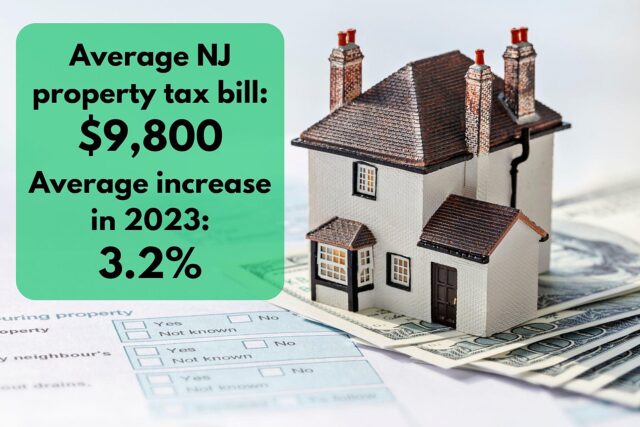
These can be a hidden burden, especially in older homes or in counties with high property tax rates.
3. When Is Actually a “Better” Time to Buy in New Jersey?
It’s tempting to try to time the market. Here are some seasonal and cyclical insights:
- Best months for deals: Historically, October through February see lower buyer demand, which can help with negotiating leverage. Houzeo
- Mortgage rate dips: Some sources suggest October historically has relatively lower rates (for New Jersey buyers) compared to January. Clever Real Estate
- Late summer window: Some analysts propose that late summer, when sellers who haven’t sold begin to adjust expectations, can yield unexpected opportunities. NJ Lenders
- Longer horizon view: If you can wait 12 to 18 months, you might get a more balanced market with more inventory and lower pressure, but that’s not guaranteed.
Conclusion on timing: If you find the right house in a strong location and your finances are ready, waiting might cost you more in price increases. But flexibility, patience, and timing can yield better deals — especially in seasonal windows.
4. What to Evaluate Before You Pull the Trigger
| Factor | What to Examine | Why It Matters |
|---|---|---|
| Your Financial Health | Down payment, credit score, debt-to-income ratio, emergency fund | You’ll want buffer room if rates or taxes rise |
| Location & Neighborhood | Future development, school district, commute, resilience to flooding | A home’s long-term value hinges on its locale |
| Inspection & Condition | Structural issues, roof age, HVAC, flood risk, energy efficiency | Unexpected costs can derail ROI |
| Tax burden & insurance | Property tax rates, homeowners insurance especially in coastal/flood zones | Must factor into your carrying cost |
| Duration of ownership | Plan to stay 5–7 years (or more)? | Helps amortize closing costs and weather market fluctuations |
| Local market trends | Inventory, days on market, absorption rates in your area | Macro state-level trends may not apply everywhere |
| Financing flexibility | Fixed vs adjustable, ability to refinance, rate lock options | Ensures you can respond to changing market rates |
Working with a local real estate agent or mortgage professional is critical, they will know the microtrends in your target county, township, or zip code.
5. Is Now a Good Time to Buy in New Jersey? Verdict (With Caveats)
Overall, yes for many buyers now is a reasonable time to buy in New Jersey, especially if:
- You have a relatively stable financial profile and can qualify with recent rates.
- You are targeting a strong location (good school district, access to transit, growth corridors).
- You plan to hold for 5+ years.
- You do your homework and avoid overpaying.
That said, it’s not ideal for everyone. If your budget is tight, or you’re chasing the perfect “discount” that may never come, patience might serve you better, especially if mortgage rates drop or inventory increases.
In short: act decisively if you find value, but don’t feel pressured if the right deal isn’t ready yet.

6. Tips & Strategies for Buyers in Today’s NJ Market
Get pre-approved and lock in your rate early
Having a mortgage preapproval strengthens your offers and gives you confidence in your budget.
Be flexible but strategic
Be open to nearby towns or slightly older homes that may have upside. But avoid sacrificing on fundamentals (safety, location, structure).
Ask for seller contributions or contingencies
In areas with less frenzy, you may be able to ask for help with closing costs, repairs, or interest rate buydowns.
Be ready to move quickly
When the right house appears, delays in decision or financing can cost you the opportunity.
Don’t skip your inspection or appraisals
A property that looks perfect may hide issues — especially with older homes in NJ or in flood-prone zones.
Watch for rate movement & refinance windows
Even after purchase, staying aware of rate changes and refinancing possibilities can save you money.
Monitor micro-markets
The housing market in Bergen, Essex, Hudson, Atlantic, or rural NJ might vary significantly. Local knowledge is paramount.
Consider long-term value and resilience
Favor homes with energy efficient systems, flood mitigation, and durable materials — especially with changing weather patterns.
7. External Resources & Further Reading
- NJ REALTORS® Market Statistics & Monthly Reports, NJ REALTORS® (10K) NJ REALTORS® › New Jersey REALTORS®
- New Jersey Real Estate Network, periodic market updates newjerseyrealestatenetwork.com
- Zillow Home Value Index & NJ housing trends Zillow
- Redfin New Jersey Housing Market Redfin
- Houzeo NJ Housing Market Guide Houzeo
- Capstone72: NJ Real Estate Market 2025 Trends capstone72.com
- Norada Real Estate Forecasts Norada Real Estate
- “Best Time to Buy a House in New Jersey” guide from Houzeo Houzeo
- NJ Lenders’ 2025 housing predictions NJ Lenders

8. Q&A: Key Questions Buyers Ask
Q1: Are prices expected to drop soon?
Not dramatically, according to most forecasts. Some models forecast small downward adjustments or flat segments, but broad consensus leans toward continued modest appreciation (2–4%) in 2025. Norada Real Estate+2Real Estate NJ+2
Q2: Can I wait until mortgage rates fall?
Possibly, but you risk losing out on home price gains—or inflation eroding your buying power. If your timeline allows (6–12 months) and you’re patient, it could be worth considering. Just know it’s a gamble.
Q3: Are there specific counties or towns in NJ where buying now is more favorable?
Yes. Generally, mid-to-suburban counties with strong schools, commuter access, and limited new development offer more stable value. Rural or less connected areas may be riskier. Microtrend data (local MLS, township reports) is your friend.
Q4: Should I wait for the traditional “off-season” to time my purchase?
If you can, yes. Buying during October–February often gives you more room to negotiate. But if you find a good home earlier and your finances are ready, use the window. Houzeo
Q5: What happens if I need to move or sell early?
You may face challenges depending on market conditions, carrying costs, commission, and liquidity. That’s why planning for a 5–7 year hold is common advice.
Q6: What’s more important — rate or price?
Both matter. A lower purchase price with a high interest rate may cost more long term. Conversely, paying a bit more for a lower rate can improve your monthly payments. Always run total cost scenarios.
Q7: How do property taxes and insurance factor in?
They’re often underestimated. In NJ, property taxes can be high. Flood, storm, or coastal insurance in certain zones can also add substantial cost. Always factor these into your affordability calculation.


Leave a Reply