

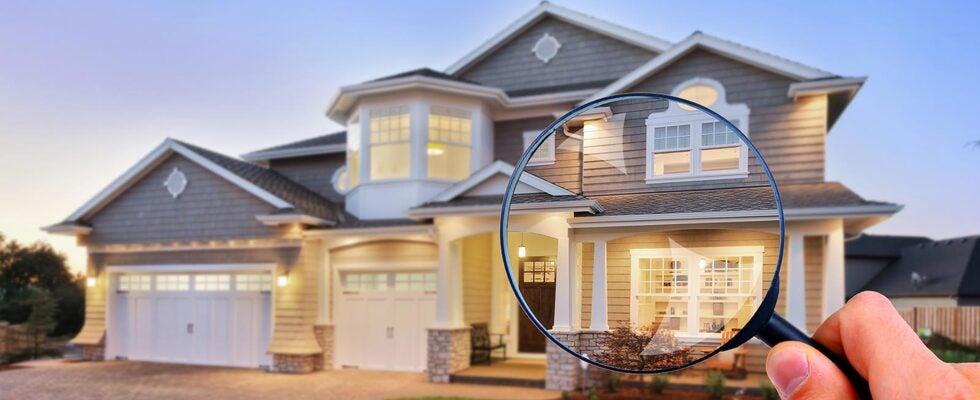

What a home inspection actually does (and doesn’t)
A standard home inspection is a trained, licensed inspector visually evaluating major systems and components of a house: roof, foundation, structural elements, plumbing, electrical, heating/cooling, windows, doors, and visible signs of water damage, pests, or mold. This is not a code inspection, and inspectors don’t open walls or perform destructive testing but they do spot red flags that can save you thousands (or more) in surprise repairs.
Think of the inspector as your eyes and translator: they’ll point out immediate safety concerns (like exposed wiring), estimate the remaining life of big-ticket items (roof, furnace), and recommend specialty checks when needed (sewer scope, chimney, termite, radon, septic). The inspection report becomes a negotiation tool: repair requests, credits, or when warranted a clean exit under the inspection contingency.
Home inspections are not legally required in New Jersey, but they’re strongly recommended and commonly included as a buyer’s inspection contingency in purchase contracts.
Why skipping an inspection is risky in NJ market conditions
1. Surprises cost money. Older homes in New Jersey often hide aging electrical systems, oil tanks, radon issues, or ancient septic fields. The cost to remediate major electrical or structural problems can be tens of thousands.
2. You lose negotiating leverage. If you waive the inspection contingency to make your offer more competitive, you typically lose the right to cancel the contract or ask the seller to fix major problems you later discover.
3. Local environmental hazards matter. New Jersey has radon concerns in many counties and has regulations about radon tests and disclosures.
4. Mortgage & insurance complications. Some lenders or insurers will require certain repairs before closing (or may deny coverage), which can derail a purchase if problems are discovered late.
What to order (the essential + recommended add-ons)
A general home inspection is the baseline. In New Jersey, smart buyers often add one or more specialty inspections depending on age, location, and property type:
Essential:
– General home inspection (structural, electrical, plumbing, HVAC)
– Sewer-scope inspection
– Underground oil tank sweep
Recommended / conditional:
– Radon test
– Termite inspection
– Mold inspection
– Septic inspection
– Chimney inspection
Pro tip: order the general inspection immediately after the attorney review ends, timing is tight on NJ contracts, often about ten days.
How the inspection contingency works in NJ (practical steps)
1. Offer accepted + attorney review ends.
2. Schedule inspectors immediately.
3. Attend the inspection.
4. Receive the report (usually 24–72 hrs).
5. Negotiate or walk away.
The inspection contingency is your safety net. Waiving it to be more competitive removes that safety net, and is a risk most NJ attorneys advise against.
Choosing the right inspector in New Jersey
Look for:
– State registration/credentials (NJ Consumer Affairs Home Inspection Advisory Committee)
– Experience with local issues (radon, oil tanks, coastal flooding)
– Clear, photo-rich reports
– Good reviews and referrals
Ask what they don’t inspect, and request add-ons like sewer scope or radon testing for older homes.
Radon in NJ, why it deserves special attention
Radon is a radioactive gas that increases lung cancer risk. New Jersey requires sellers to disclose radon test results and any mitigation documentation. Mitigation is recommended when levels reach 4 pCi/L or more. Buyers should order their own test during the inspection period.
When inspection problems are found: negotiation strategies
– Ask for repairs: For clear safety issues (wiring, structural).
– Request credits: Take a dollar amount off price instead.
– Split costs: Often a good middle ground.
– Walk away: Use the inspection contingency if defects are major.
Cost and timing, what to expect in NJ
General inspection: $350–$700
Specialty tests: $100–$400 each
Duration: 2–3 hours, report in 1–3 days
These small costs can prevent large repair bills later.
Bottom line: should you get a home inspection in NJ?
Yes. Inspections reveal costly defects, provide negotiation leverage, and ensure safety. In NJ’s market, skipping them is a gamble that rarely pays off.
Helpful New Jersey resources & links
– NJ Department of Environmental Protection, Radon information: https://www.nj.gov/dep/rpp/radon/
– NJ Consumer Affairs, Home Inspection Advisory Committee: https://www.njconsumeraffairs.gov/hiac
– NJ Department of Community Affairs: https://www.nj.gov/dca
– Local NJ inspection guides (Redfin, Zillow, Realtor.com).

Most Asked Questions
Q: Do I have to get a home inspection in New Jersey?
A: No state law requires it, but it’s highly recommended.
Q: Can I waive the inspection?
A: You can, but you lose protection and negotiation rights.
Q: How long do I have to inspect the property?
A: Typically 10 calendar days after attorney review.
Q: What is a sewer scope?
A: A camera inspection of sewer lines, vital for older homes.
Q: Are sellers required to disclose radon test results?
A: Yes. Sellers must provide results; buyers should still test.
Q: How much does a home inspection cost in NJ?
A: Usually $350–$700 for a standard inspection.
Q: How do I pick a good inspector?
A: Verify NJ licensing, experience, and references.
Q: What if the inspection finds major problems?
A: Request repairs, credits, or cancel using your contingency.



Leave a Reply