



New Jersey’s varied climate, from the Jersey Shore’s salty breezes to the hills of the northwest makes seasonality a real factor when you buy a home. Weather affects everything: what homes are listed and when, how inspections are performed, what problems are revealed, insurance needs, and even negotiation strategy. This guide walks through the seasonal realities New Jersey buyers should know, gives practical checklists for each season, and suggests smart timing and negotiation moves so you can buy confidently no matter the weather.
Quick snapshot: what New Jersey’s seasons look like
New Jersey experiences four distinct seasons: wet, warm springs and summers; a colorful, cooler fall; and a cold, snowy winter in many inland and northern areas. Coastal sections have milder winters but face hurricane/tropical-storm risks during late summer and early fall. These patterns influence flooding, storm surge vulnerability, snow/ice impacts, and the kinds of maintenance problems that appear on inspections.
Why season matters for buyers (the big picture)
1. Inventory & competition shift by season — Spring and early summer bring more listings and competition.
2. Weather reveals different home vulnerabilities — Winter freezes, summer storms, and heavy rain all expose issues.
3. Insurance and financing vary — Flood insurance and seasonal risk can affect your costs.
Season-by-season guide (what to expect, look for, and do)
Spring: High inventory, competitive prices.
Summer: Easy touring, watch for storm-related issues.
Fall: Less competition, better negotiation leverage.
Winter: Great for bargains, reveals heating/plumbing issues.
Coastal and flood-prone properties
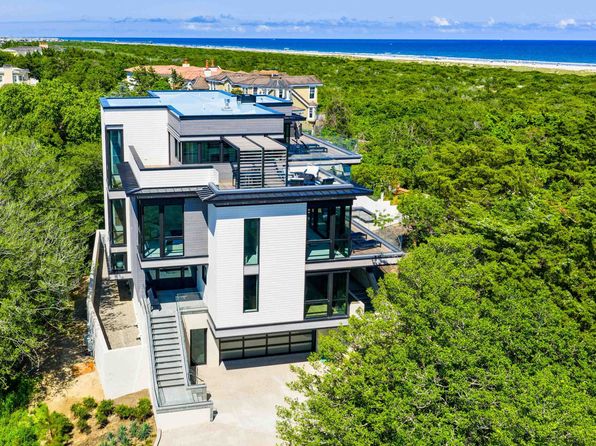
Coastal New Jersey faces special risks like storm surge, nor’easters, and tropical storms between June and November. Check FEMA flood maps and get elevation certificates for coastal properties to assess risk accurately.
Negotiation and timing
Spring offers choice but competition. Fall and winter provide leverage. Time inspections for the season that stresses the system most, winter for heating/plumbing, summer for A/C, and after rain for drainage.
Inspection checklist by season
Spring/Summer: Roof, grading, A/C, moisture.
Fall: Chimney, gutters, sump pump.
Winter: Furnace, plumbing insulation, attic ventilation.
Insurance, disclosure, and local regulations
Always review seller disclosures for storm damage or insurance claims. Confirm local floodplain permits and FEMA zone designations.
Timing your closing around weather risks
Avoid coastal closings during hurricane season when possible. Lenders, insurers, and inspectors can be delayed during storms.
Bottom line
Use seasons to your advantage: buy in spring for variety, fall/winter for better deals, and inspect strategically. Always verify flood and insurance details for coastal areas.

Common Questions About Seasonal Home Buying in New Jersey
- Q1: When is the best time to buy a home in New Jersey?
A: Spring and early summer offer the most inventory, but fall and winter often bring better deals and motivated sellers.
- Q2: What should I watch for when buying a coastal property?
A: Check FEMA flood maps, request an elevation certificate, and get flood insurance quotes early.
- Q3: How does winter affect home inspections?
A: Cold temperatures test heating, insulation, and plumbing systems — making it ideal for spotting hidden problems.
- Q4: Are home prices lower in winter?
A: Typically yes. Fewer buyers mean more room for negotiation, though inventory may be limited.
- Q5: Can heavy rain or storms delay closing?
A: Yes. Severe weather can postpone inspections, appraisals, or insurance processing, so build in flexibility.
- Q6: Does New Jersey require flood insurance for all homes?
A: Only if the property is in a designated FEMA flood zone and you’re financing with a federally backed mortgage.



Leave a Reply