



When people talk about New Jersey, they often lump the state together as one place, the Garden State. But the truth is, life in North Jersey feels very different from life in South Jersey, and those differences matter a lot if you’re deciding where to live. From cost of living and job markets to culture, lifestyle, and even the way people drive, these two regions of the same state can feel like different worlds.

Cost of Living: Where Your Money Goes Further
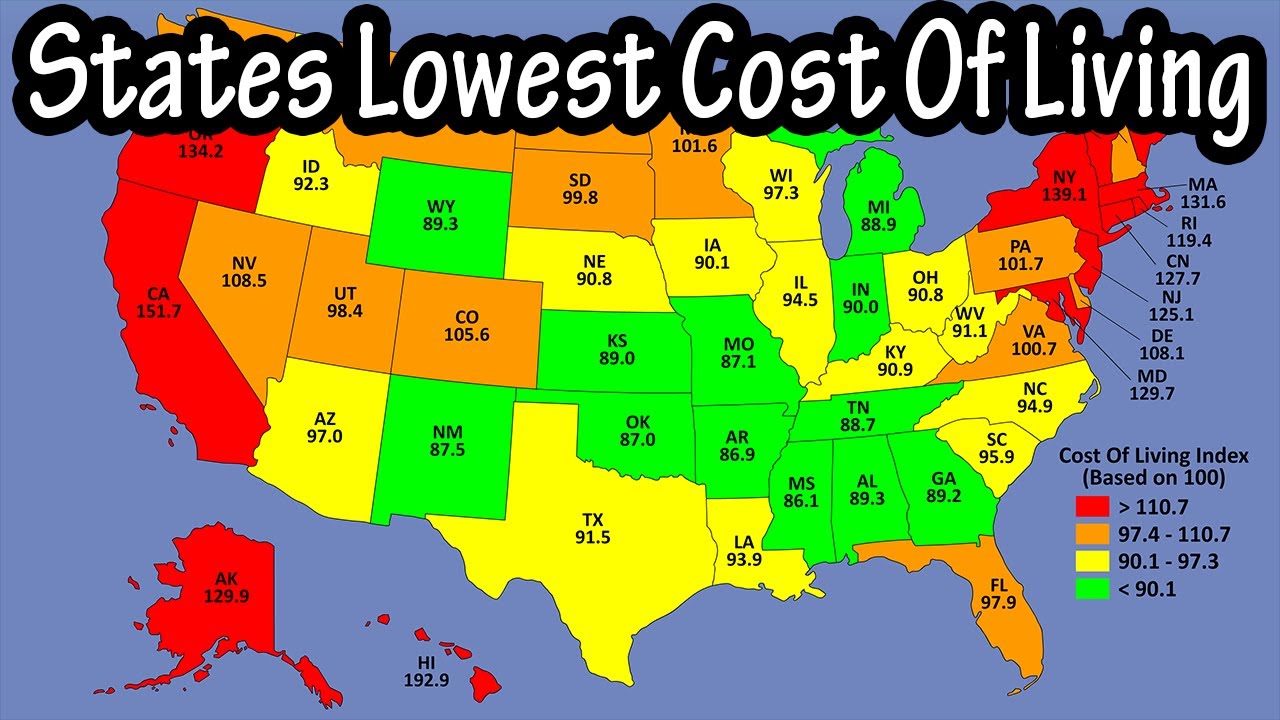
New Jersey as a whole has a reputation for being expensive. The statewide cost-of-living index sits around 114.2, meaning it’s roughly 14% more expensive than the national average. But the numbers change dramatically depending on where you live.
North Jersey, especially areas close to New York City like Hoboken, Jersey City, and Bergen County, has some of the highest housing costs in the state. Median home prices in these areas can soar past $600,000–$800,000, and rental apartments often rival Manhattan prices. Property taxes also tend to be higher, as counties compete to fund highly ranked school districts and municipal services.
By contrast, South Jersey offers far more affordable options. Median home prices in Camden, Gloucester, and Cumberland Counties often sit in the $250,000–$350,000 range, making it much easier for first-time buyers to enter the market. Even in desirable beach towns like Ocean City or Cape May, while vacation homes can be pricey, you’ll still often spend less than in the northern suburbs. Utilities, groceries, and general day-to-day expenses also tend to be lower in the southern half of the state.
For families trying to balance quality of life with budget, South Jersey often feels more attainable, while professionals with higher incomes may find North Jersey worth the premium for its convenience.
Job Market and Career Opportunities
The biggest factor driving the cost gap is simple: proximity to major cities.
North Jersey borders New York City, one of the most dynamic job markets in the world. Residents in towns like Newark, Montclair, and Edgewater often commute across the river to work in finance, tech, healthcare, law, or creative industries. With salaries in these fields averaging higher, it offsets the steep cost of housing for many.
South Jersey, on the other hand, leans more toward Philadelphia’s job market. Cities like Camden and Cherry Hill are commuter-friendly hubs for professionals in education, healthcare, and government. South Jersey also has a thriving tourism industry, thanks to its beaches, casinos in Atlantic City, and historic sites. Median household incomes are generally lower here compared to the north, but so are expenses.
If you’re career-focused in industries tied to Wall Street or tech, North Jersey puts you closer to the action. If you prefer balance, with reasonable commute times to Philly and a lower cost of living, South Jersey may feel more sustainable.
Lifestyle and Pace of Living
This is where the differences really show up in daily life.
North Jersey: Fast-Paced and Urban
Living in North Jersey feels like an extension of New York City. Crowded commuter trains, congested highways, diverse food scenes, bustling nightlife, and a constant sense of movement define the lifestyle. Towns are denser, parking is harder to find, and people are always in a rush. For those who love energy, culture, and city convenience, it’s exhilarating.
South Jersey: Relaxed and Community-Focused
South Jersey feels like a world away. It’s more spread out, suburban, and slower-paced. People often describe it as “friendlier” easier to drive, easier to find parking, and easier to get to know your neighbors. Beach towns like Cape May and Wildwood provide a classic Jersey Shore experience, while farmland and wineries give the region a more rural, relaxed character. For families or retirees seeking space and calm, this is a huge draw.
Schools and Education
New Jersey is known nationwide for its strong schools, but again, the experience differs by region.
North Jersey is home to some of the state’s top-ranked school districts, including towns in Bergen, Essex, and Morris Counties. These districts consistently score highly in test performance and send students to competitive universities. Families moving here often prioritize education and are willing to pay higher property taxes for it.
South Jersey, while not as consistently ranked at the very top, still offers excellent schools in areas like Cherry Hill, Haddonfield, and Moorestown. Many of these districts combine strong academics with a tight-knit community feel. Parents often note that their kids enjoy more space, less crowding, and an easier social environment compared to the intensity of North Jersey.
Culture and Diversity
New Jersey is one of the most diverse states in America, but the cultural flavor shifts depending on where you are.
North Jersey benefits from the influence of New York City. Immigrant communities from Asia, Latin America, the Middle East, and Europe all contribute to a vibrant mix of languages, cuisines, and festivals. Whether you’re craving authentic Korean barbecue, Dominican food, or Italian pastries, you’ll find it.
South Jersey, meanwhile, has more of a Philadelphia influence. You’ll find strong Italian-American and Irish-American communities, plus the cultural traditions of shore towns. The food scene is famous for cheesesteaks, hoagies, pizza, and of course, boardwalk treats like funnel cake and saltwater taffy. While diverse, it tends to feel more suburban and tight-knit compared to the cosmopolitan vibe of the north.
Transportation and Commuting
For many people, commuting is a dealbreaker.
North Jersey has the advantage of extensive public transportation, with NJ Transit rail lines, PATH trains, ferries, and bus systems feeding into Manhattan. But with that convenience comes congestion — long wait times, delays, and expensive monthly passes. Driving is also notoriously stressful, with heavy traffic on the Garden State Parkway and I-95.
South Jersey is far more car-friendly. While public transit options are limited compared to the north, residents often find commuting into Philadelphia easier, with shorter drive times and less overall congestion. For people who prefer driving to relying on trains, this is a major perk.
Beaches and Nature
One of the best parts of New Jersey life is access to the outdoors.
South Jersey wins hands down for beaches. Cape May, Ocean City, and Wildwood are iconic summer destinations with family-friendly boardwalks and clean stretches of sand. South Jersey also boasts Pine Barrens, a sprawling forest area for hiking, camping, and canoeing.
North Jersey, while not as famous for beaches, has proximity to the Hudson River, mountain hiking in areas like Ramapo Valley, and state parks that appeal to weekend adventurers. Its edge is in its closeness to both city and countryside — you can hike in the morning and see a Broadway show at night.
Community Feel
The last difference often comes down to how people describe their neighbors.
North Jersey communities can feel transient, with many people moving in and out for jobs tied to New York. Social life often revolves around work and city events rather than tight-knit neighborhoods.
South Jersey feels more rooted. Many families live in the same towns for generations, creating a deep sense of belonging and tradition. Local sports, school events, and community gatherings shape daily life. If you’re looking for a place to put down roots, the south often feels more “neighborly.”

Q&A: Deciding Between North and South Jersey
Q: Which part of New Jersey is more affordable?
South Jersey. Housing, property taxes, and daily expenses are significantly lower compared to North Jersey.
Q: Where are the better job opportunities?
North Jersey, thanks to its proximity to New York City, offers higher-paying jobs in finance, tech, and healthcare. South Jersey leans toward Philadelphia-based opportunities, tourism, and local industries.
Q: Which has better schools?
North Jersey schools are generally ranked higher statewide, but South Jersey towns like Cherry Hill and Moorestown also offer excellent education in family-friendly settings.
Q: Which area is better for families?
South Jersey is often preferred by families seeking affordability, more space, and a slower pace. North Jersey is ideal for those who want top schools and city proximity.
Q: Which part has the better “Jersey Shore” experience?
South Jersey, with iconic destinations like Cape May, Ocean City, and Wildwood, is the heart of New Jersey’s beach culture.
Final Takeaway
Living in New Jersey isn’t one-size-fits-all. North Jersey appeals to those who thrive on energy, diversity, and career opportunities close to New York. South Jersey draws people who value affordability, space, beaches, and a calmer way of life tied to Philadelphia.
The choice really comes down to what you value most: the hustle and opportunity of the north or the space and community of the south. Either way, the Garden State delivers plenty of reasons to call it home.



Leave a Reply