

In this guide, we’ll break down New Jersey home inspections. Buying a home is one of the biggest financial decisions you’ll ever make, and in New Jersey, skipping or misunderstanding a home inspection can cost buyers thousands of dollars later. While a home may look perfect during a showing, hidden issues often surface during the inspection process.
The most common issues that fail inspections, and why these problems matter so much for buyers. Whether you’re a first-time buyer or purchasing your next home, understanding inspection red flags can help you protect your investment and negotiate smarter.
What Is a Home Inspection in New Jersey?
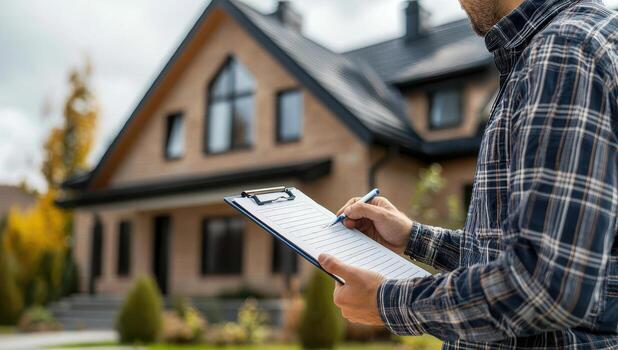
A New Jersey home inspection is a professional evaluation of a property’s condition, typically conducted after an offer is accepted. A licensed home inspector examines major systems and structural components to identify existing or potential problems.
A standard inspection in New Jersey usually covers:
- Roof and attic
- Electrical systems
- Plumbing
- Heating and cooling (HVAC)
- Foundation and structure
- Interior and exterior components
- Safety issues
According to the American Society of Home Inspectors (ASHI), inspections help buyers understand a property’s condition before finalizing the purchase.
🔗 External Resource:
Learn more about inspection standards from ASHI:
https://www.homeinspector.org
Most Common New Jersey Home Inspection Failures
1. Electrical Issues
Electrical problems are among the most frequent failures in New Jersey home inspections, especially in older homes.
Common electrical red flags include:
- Outdated wiring (knob-and-tube or aluminum wiring)
- Overloaded breaker panels
- Improper grounding
- Missing GFCI outlets in kitchens and bathrooms
Why it matters:
Electrical issues pose serious fire hazards and can be costly to repair or upgrade to current code standards.
2. Roofing Problems
Roof issues are another major concern found during inspections.
Inspectors often flag:
- Missing or damaged shingles
- Roofs near the end of their lifespan
- Improper flashing
- Signs of water intrusion or leaks
Why it matters:
Roof replacements in New Jersey can cost $8,000–$20,000+, depending on size and materials.
3. Plumbing Defects
Plumbing problems are extremely common in NJ inspections, particularly in homes built decades ago.
Typical plumbing failures include:
- Leaking pipes or fixtures
- Low water pressure
- Corroded supply lines
- Improper drainage
Why it matters:
Plumbing issues can lead to water damage, mold growth, and expensive repairs if ignored.
4. HVAC System Failures
Heating and cooling systems are closely evaluated during New Jersey home inspections.
Common HVAC concerns:
- Aging furnaces or AC units
- Poor maintenance
- Inconsistent heating or cooling
- Unsafe venting
Why it matters:
Replacing an HVAC system can cost $7,000–$15,000, making this a major negotiation point.
5. Foundation and Structural Concerns
Structural issues are serious red flags that buyers should never ignore.
Inspectors often report:
- Cracks in foundations or basement walls
- Uneven floors
- Signs of settlement
- Water intrusion in basements
Why it matters:
Structural repairs can be extremely expensive and may affect a home’s long-term stability.
6. Mold, Moisture, and Water Damage
Moisture problems are common in New Jersey due to climate and older housing stock.
Issues include:
- Visible mold
- Musty odors
- Poor ventilation
- Past water damage
Why it matters:
Mold can affect indoor air quality and health, and remediation costs can escalate quickly.
🔗 External Resource:
EPA guidance on mold and moisture:
https://www.epa.gov/mold
Why New Jersey Home Inspections Matter for Buyers
A thorough New Jersey home inspection helps buyers:
- Avoid unexpected repair costs
- Identify safety hazards
- Negotiate repairs or price reductions
- Decide whether to move forward or walk away
Home inspections are not meant to “fail” a deal, they’re meant to protect buyers and ensure transparency.
What Happens If a Home Fails Inspection?
If issues are discovered, buyers typically have several options:
- Request repairs
- Ask for a credit or price reduction
- Accept the home as-is
- Cancel the contract (within the inspection contingency period)
An experienced buyer’s agent can help you evaluate which option makes the most sense based on the findings.
How to Prepare for a Home Inspection in NJ
Buyers should:
- Attend the inspection if possible
- Review the full inspection report carefully
- Ask questions about severity vs. maintenance items
- Focus on major systems and safety concerns
🔗 External Resource:
Consumer inspection guidance from New Jersey Division of Consumer Affairs:
https://www.njconsumeraffairs.gov
Q&A: New Jersey Home Inspections
Do home inspections always find problems?
Yes. Almost every New Jersey home inspection identifies some issues. The key is understanding which are minor maintenance items and which are major concerns.
Can a home fail inspection in New Jersey?
Technically, homes don’t “fail,” but inspections can reveal issues serious enough for buyers to renegotiate or walk away.
Who pays for the home inspection in NJ?
Typically, the buyer pays for the home inspection.
How long does a New Jersey home inspection take?
Most inspections take 2–4 hours, depending on the size and condition of the property.
Should buyers skip a home inspection in a competitive market?
Skipping inspections can be risky. A New Jersey home inspection protects buyers from costly surprises and should only be waived with extreme caution.

Final Thoughts
Understanding New Jersey home inspections and the issues that commonly arise can save buyers from major financial stress. A professional inspection gives you clarity, leverage, and peace of mind before closing on a home.
If you’re buying in New Jersey, working with a knowledgeable buyer’s agent can help you navigate inspections, negotiate repairs, and protect your investment every step of the way.
Contact Page / Schedule a Consultation
Link text: “Schedule a consultation with our team”
https://nestandkeybynatalie.com/contact-us-1/




Leave a Reply